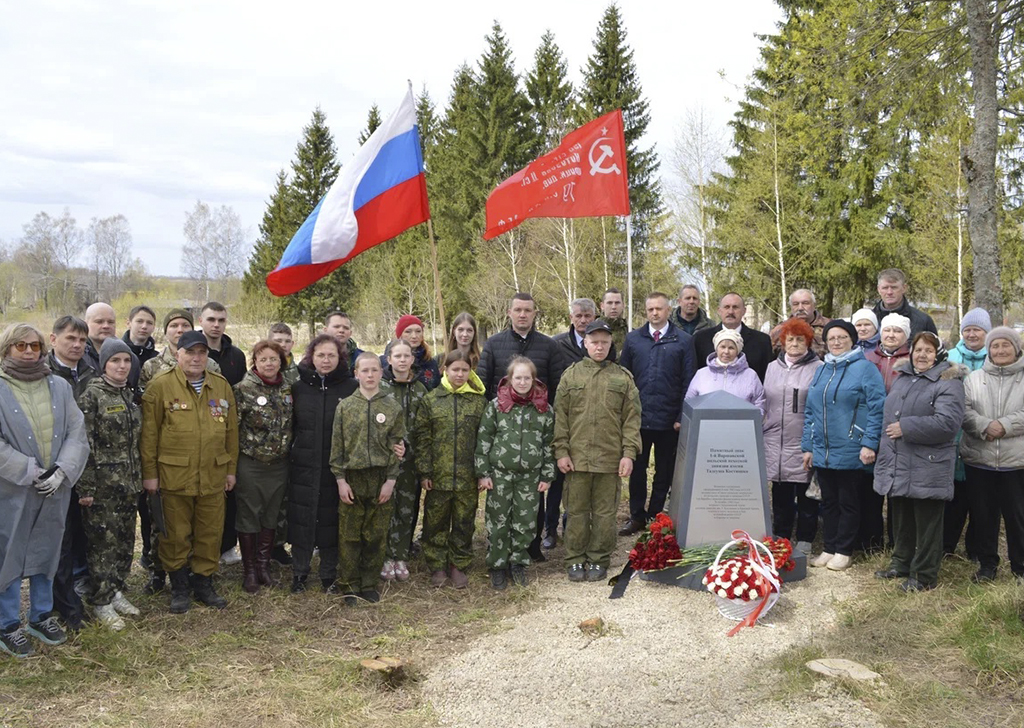
On April 30, 2026, a landmark event took place in the village of Nikolaevka in the Krasninsky Municipal District of the Smolensk Region (Russian Federation) — the grand opening of the international memorial, which became an important part of the Memory Without Borders project and a vivid example of national diplomacy and the preservation of historical memory.
Historical significance of the place
The village of Nikolaevka is located on Krasninsky land — it was from here in October 1943 that the 1st Polish Infantry Division named after Tadeusz Kosciuszko began its victorious journey west with the Red Army. This path led to the liberation of Belarus, Poland, and European countries from Nazi occupation.
Just a few dozen kilometers away, in the agro-town of Lenino (Mogilev region, Republic of Belarus), there is a memorial to the Soviet-Polish military brotherhood and mass graves, where more than 500 Polish and over 1,700 Soviet soldiers are buried. For many of them, it was Krasninskaya land that became the site of the first battle.
Preparation and international response
The event was prepared for several months. The organizers of the Memory Without Borders project have sent more than 130 official invitations to Polish diasporas in Russia and Belarus, public organizations, the Congress of Poles in Russia, Polish Homes, as well as representatives of foreign communities.
Despite the absence of representatives of the Polish Embassy in Moscow, the response from Polish and Belarusian public organizations, diasporas and individuals was significant. The participants sent family archives, photographs and biographies of the division’s soldiers, confirming the high public interest in preserving historical memory.
The course of the ceremony
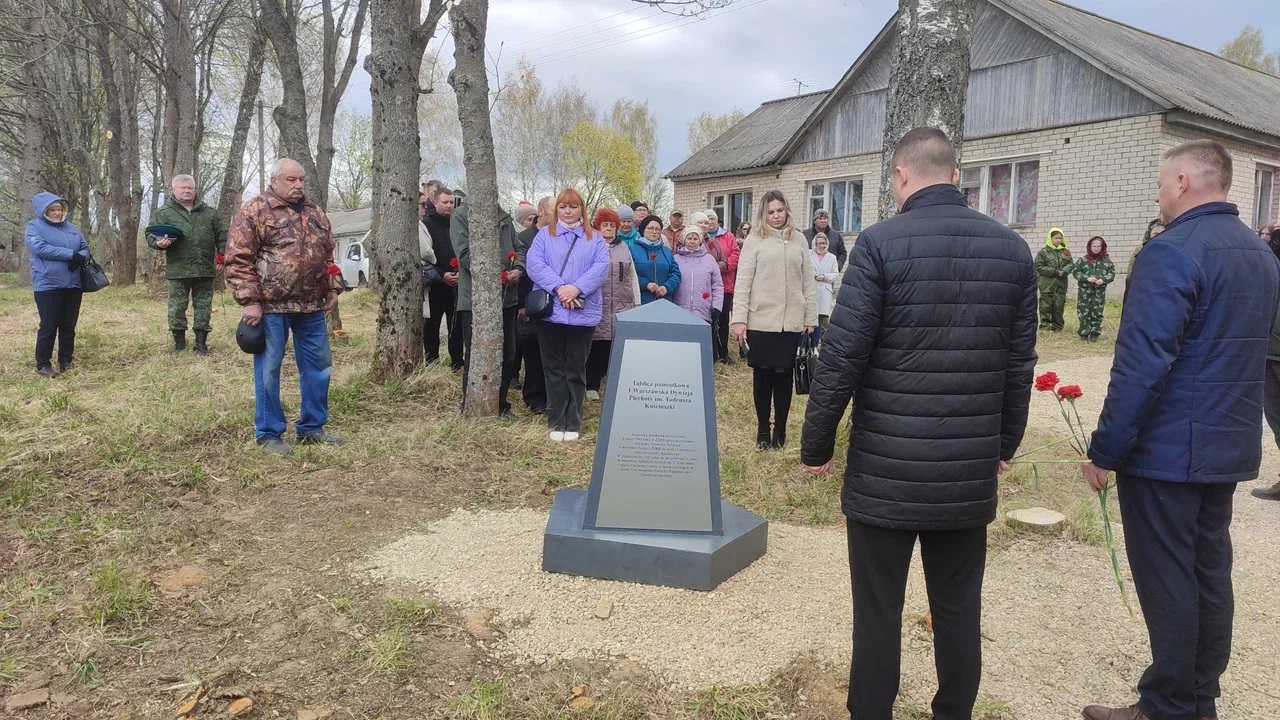
The event included the unveiling of a memorial plaque in honor of the soldiers of the 1st Polish Infantry Division named after Tadeusz Kosciuszko and the laying of an Alley in Memory of Polish soldiers.
The ceremony was held with the support of the Union of Poles in Belarus and Member of the European Parliament Grzegorz Brown, as well as with the participation of a delegation from the Goretsky district of the Mogilev region, representatives of the Moscow National Cultural Autonomy of Poles “Dom Polsky” headed by Chairman Evelina Shishkova and the Rusich search team.
The venue was the monument to Aneli Kzywon, the first Polish woman to be awarded the title Hero of the Soviet Union.
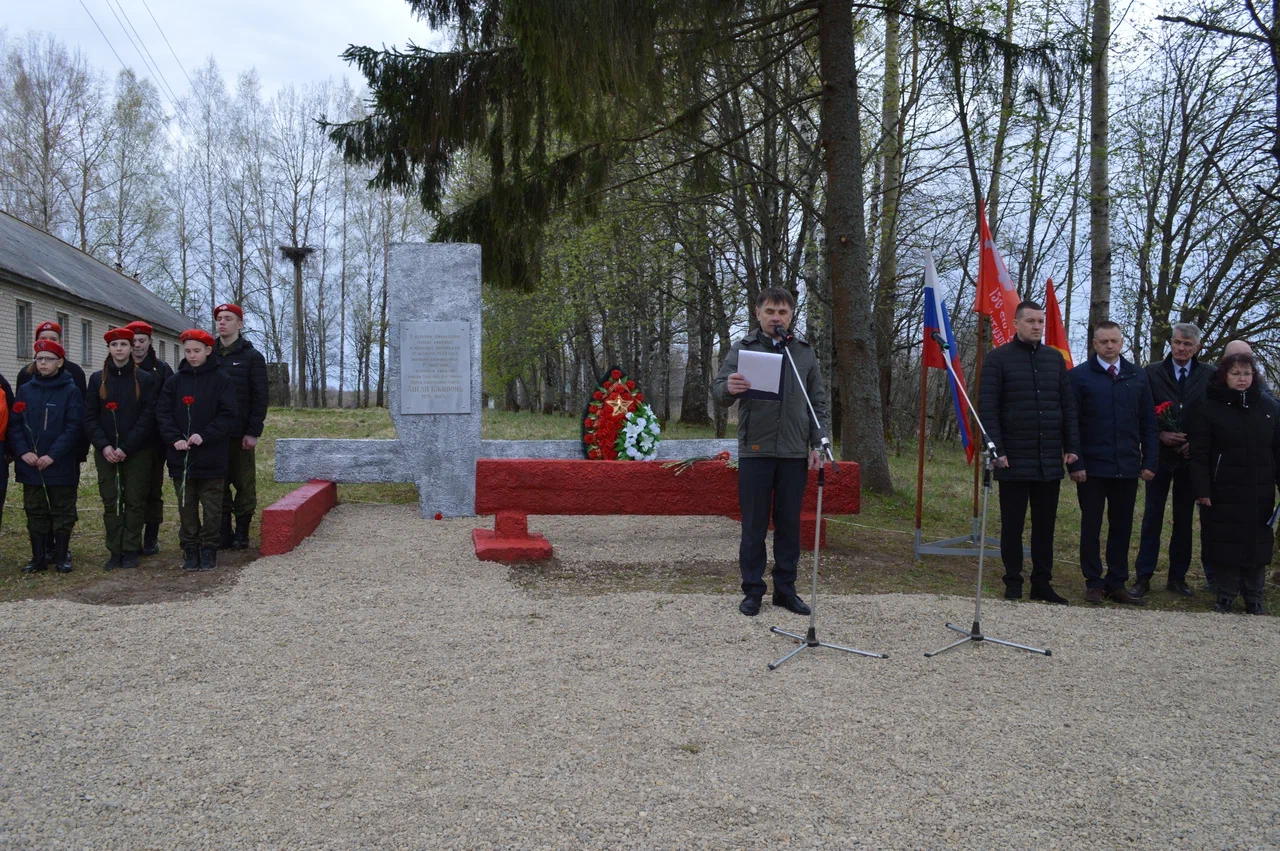
The central idea of the event was the common historical memory of the peoples who fought together against Nazism. The participants emphasized that the feat of soldiers has no national borders.
The key symbols of the memorial
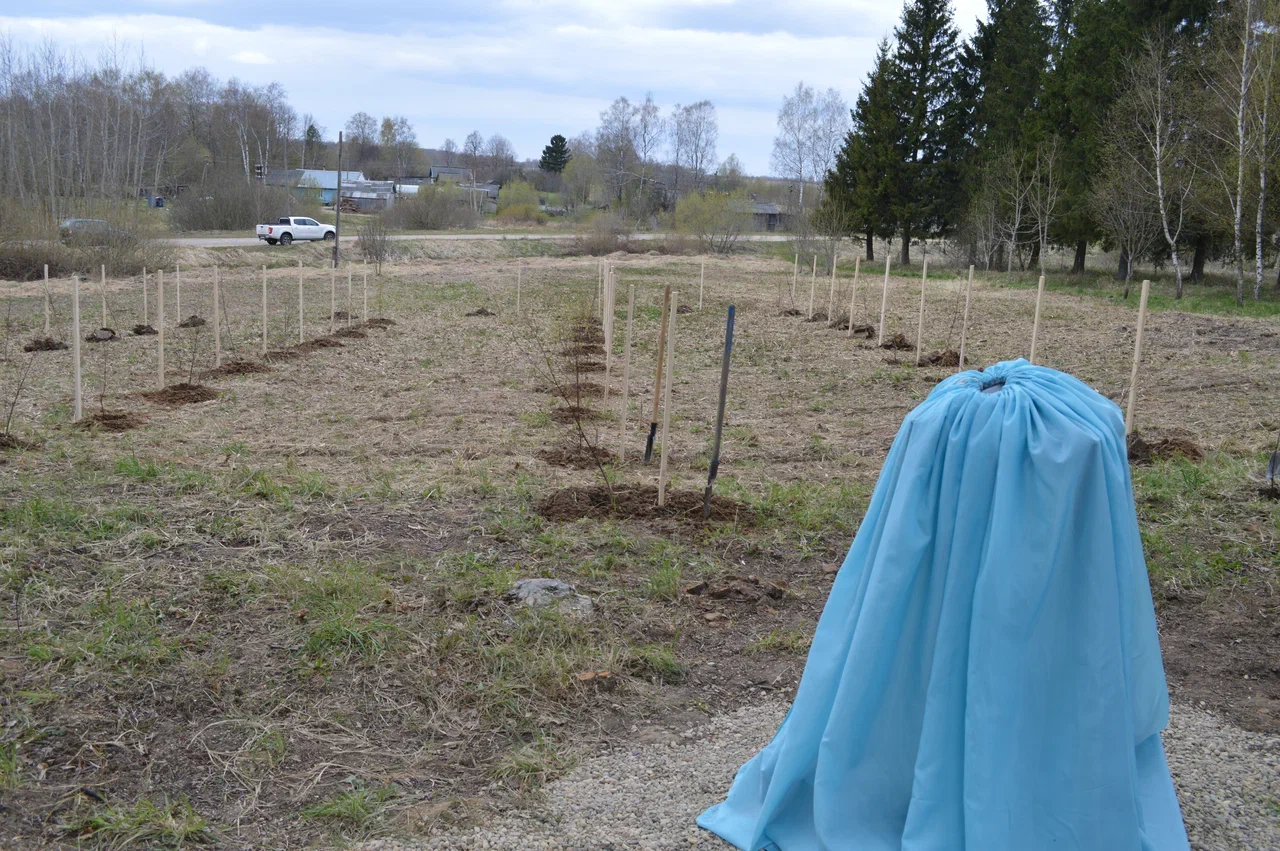
The ceremony culminated with the unveiling of a memorial sign in two languages — Russian and Polish, as well as the laying of a Memorial Alley of 43 birch trees, symbolizing the year 1943 — the time of the division’s formation and the beginning of its combat path.
Each tree is provided with a nameplate. During the planting, it was noted that in this way a living connection of generations is formed and historical continuity is preserved.
International appeals
Public figures addressed the event.
Polish public figure Olga Dobrzynska-Surzhik stressed the importance of preserving historical memory:
“The oblivion of heroes is the oblivion of history and the betrayal of the future. Shared memory is the basis of friendship between generations.”
Evelina Shishkova, Chairman of the Moscow Polish House, noted the importance of the Diaspora’s participation and the need to preserve the memory of Polish veterans who fought in the Red Army.
The chairman of the Union of Poles in Belarus, Mieceslav Lysyi, in his address emphasized the importance of combat brotherhood and the common victory over Nazism.
Special attention was paid to a letter from Grzegorz Brown, a member of the European Parliament, which noted the historical role of the battle of Lenino and the feat of Polish soldiers. On behalf of the deputy, a memorial tree was planted on the territory of the memorial.
Public participation
Representatives of public organizations, including the “Commonwealth of Kursk”, also took part in the event. The project was supported by representatives of the Polish public, including Anna Zakharyan, the widow of public figure Jerzy Tyts.
The participants honored the memory of the fallen with a minute of silence and laid flowers at the monument.
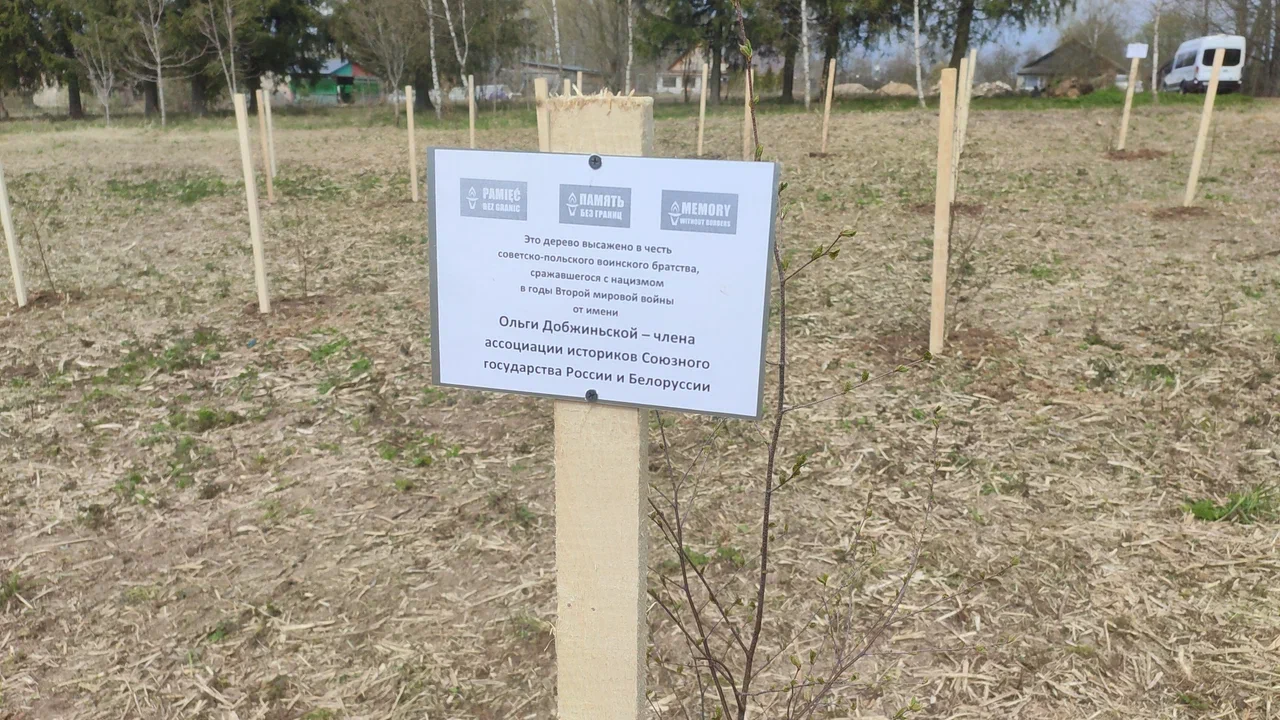
Photo and video materials
As part of ensuring the openness and accessibility of information about the event, photos and videos have been prepared reflecting the key moments of the memorial’s opening ceremony and the laying of the Memorial Alley.
You can get acquainted with the materials by following the link: disk.yandex
Continuation of the project
The Memory Without Borders project continues its work. Biographies, photographs, and family histories of soldiers of the 1st Polish Infantry Division are currently being collected.
Project website www.mwb-project.com I am open to anyone who wants to contribute to preserving the memory of the joint struggle against Nazism.
The created memorial will become a part of the future historical and tourist route connecting Nikolaevka and Lenino.
Memory has no boundaries.